
Eat Smart, Feel Great — Discover the Best Low-Fat Foods for a Lighter Life
Welcome to Healthyweightfoodsguide — your trusted editorial resource for learning which foods truly support a balanced weight and a healthier lifestyle. Our team of nutrition writers and researchers in France curates practical, evidence-informed content to help you make smarter choices at every meal.
Ready to learn which foods really make the difference?
Browse Diet FoodsWhy Low-Fat Eating Earns Its Reputation
Across our editorial research and the experiences shared by our growing readership, certain themes emerge again and again about what makes a low-fat approach genuinely effective.
A Growing Community of Readers
A wide and ever-growing circle of readers across France and beyond turn to our guides when rethinking their everyday eating habits. Their shared stories inspire our editorial direction.
Rich, Research-Backed Content
Our editorial team draws on reputable nutritional sources and real-world insights to deliver content that is both practical and genuinely informative — never superficial.
Long Experience in Nutrition Writing
For years now, our writers have been exploring the intersection of everyday food choices and long-term weight management — producing guides that speak to real people's real lives.
Top Low-Fat Superfoods to Include in Your Diet
Not all foods are created equal. These nutritional powerhouses are celebrated in our editorial guides for being naturally low in fat while delivering exceptional nutritional value.
Leafy Green Vegetables
Spinach, kale, arugula and lettuce are virtually fat-free and packed with fibre, vitamins K and C, and folate. Their high water content creates a satisfying volume of food with very few calories — a staple in any thoughtful low-fat eating plan.
Read moreLegumes & Pulses
Lentils, chickpeas, black beans and white beans are extraordinarily satisfying sources of plant-based protein and soluble fibre. They digest slowly, helping to keep hunger at bay for hours — making them a cornerstone food in weight-conscious meal planning.
Read moreWhole Grains
Oats, brown rice, quinoa and barley are naturally low in fat and rich in complex carbohydrates that provide steady energy. Their fibre content supports healthy digestion and helps maintain a comfortable feeling of fullness throughout the day.
Read moreWhite-Flesh Fish
Cod, sole, hake and tilapia are exceptionally low in fat while delivering high-quality complete protein. Protein is important for maintaining muscle while following a calorie-conscious plan — and white fish is one of the leanest ways to get it on your plate.
Read moreFresh Fruits
Berries, grapefruit, apples, pears and melon are naturally almost fat-free and brimming with antioxidants, vitamins and dietary fibre. Choosing whole fruit over processed snacks is one of the simplest and most enjoyable swaps in a low-fat lifestyle.
Read moreLow-Fat Dairy & Yogurt
Skimmed milk, plain low-fat yogurt and fromage blanc provide calcium, protein and beneficial cultures with only a fraction of the fat found in full-fat versions. They serve as versatile ingredients across breakfasts, sauces and light desserts in a balanced low-fat diet.
Read more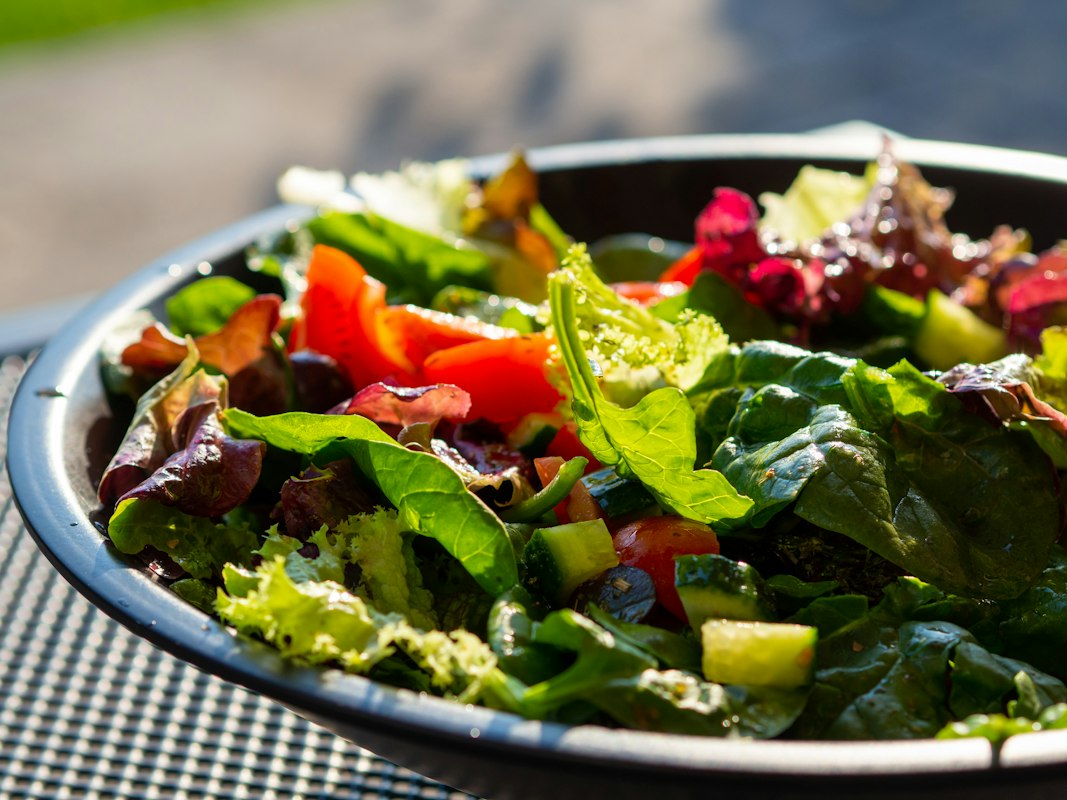
How a Low-Fat Approach Changes the Way You Eat — From the Inside Out
Adopting a low-fat eating approach is less about restriction and more about rediscovering food in its most natural form. When you shift focus toward vegetables, lean proteins and whole grains, the sheer volume and variety of what you can eat often surprises people — as does how satisfied they feel after meals.
One of the most widely reported changes among readers who follow our guides is an improvement in how they relate to food. Rather than counting and stressing, they begin to choose instinctively — gravitating toward whole, minimally processed ingredients because they genuinely enjoy them and notice how much better they feel.
Understanding the role fat plays in the body is also key. Not all fats are equal, and our editorial guides explore which fats to moderate, which to include in small amounts, and which everyday foods make low-fat living both realistic and genuinely delicious for people living in France and beyond.
Read Our Eating PrinciplesA Simple 4-Step Guide to Starting Your Low-Fat Meal Plan
You don't need to overhaul your life overnight. Our editorial approach breaks the process into four approachable steps that anyone can follow, regardless of cooking experience or schedule.
Audit What's Already in Your Kitchen
Before buying anything new, take stock of what you already have. Look at your pantry, fridge and freezer with fresh eyes — identifying which staples are naturally low in fat (oats, canned legumes, frozen vegetables, plain yogurt) and which high-fat items could gradually be replaced with lighter alternatives. This first step requires no spending, just awareness.
Build Meals Around Low-Fat Core Ingredients
Rather than adapting existing rich recipes, try building meals from scratch using low-fat staples as the foundation. Pair a large serving of leafy greens with a portion of white fish and a scoop of lentils, for example. Use herbs, lemon, vinegar and spices liberally — flavour does not require fat. Our recipes section offers a wealth of meal ideas built on exactly this principle.
Plan Ahead and Batch Cook on Weekends
The biggest challenge with any eating change is the moment when you arrive home tired and hungry with nothing prepared. Planning meals for three to four days at a time — and batch-cooking grains, soups or roasted vegetables on a Sunday — removes the pressure of daily decisions. Even one hour of weekend preparation makes the whole week feel manageable and keeps you aligned with your low-fat goals.
Keep Learning and Adjusting as You Go
Low-fat eating is not a rigid destination — it's an evolving practice. Read broadly, experiment with new ingredients, and stay curious. Use our guides on core principles and our editorial method to deepen your understanding over time. The readers who report the most lasting improvements are those who treat each meal as a small experiment rather than a test to pass or fail.
Looking for Low-Fat Recipe Ideas?
Our recipes section brings together simple, flavourful meals built around the very foods our guides recommend — perfect for everyday cooking in France.
Browse Our RecipesCommon Questions About Weight Loss Foods & Low-Fat Diets
Our readers frequently raise the same thoughtful questions. Here are honest, straightforward answers drawn from our editorial research.
What does "low-fat" actually mean when reading food labels?
In France, a food is generally considered low-fat if it contains no more than 3 grams of fat per 100 grams (for solids) or 1.5 grams per 100 ml (for liquids). However, our guides emphasise looking at the overall nutritional picture rather than fixating on a single number — a food low in fat but high in added sugar, for instance, is not automatically a smart choice.
Are all fats bad for someone trying to manage their weight?
Absolutely not — and this is one of the most important nuances our editorial team explores. Unsaturated fats found in foods like avocado, oily fish and small amounts of olive oil play important roles in the body. A "low-fat diet" in the modern nutritional sense means reducing saturated and trans fats, not eliminating all dietary fat entirely. Whole-food fats consumed in moderation remain part of a balanced approach.
Which everyday French foods are naturally low in fat?
Many staples of French home cooking are wonderfully low in fat when prepared simply. Ratatouille, leek and potato soup (without cream), steamed haricots verts, plain lentil salads, roasted chicken breast without the skin, and fromage blanc with berries are all excellent examples. Our articles explore how to enjoy classic French flavours within a low-fat framework — without sacrificing enjoyment at the table.
How much protein should I eat on a low-fat diet?
Protein is a critical component of a thoughtful low-fat plan because it supports satiety and helps the body maintain muscle. Most nutritional guidance suggests aiming for around 1.2 to 1.6 grams of protein per kilogram of body weight for active adults, though individual needs vary. Our guides point to lean proteins — white fish, legumes, egg whites, skimmed dairy and poultry — as the most compatible sources for a low-fat lifestyle.
Is a low-fat diet suitable for everyone?
The content on Healthyweightfoodsguide is written for general informational purposes and is not a substitute for personalised advice from a qualified nutritionist or dietitian. That said, a varied, whole-food-based low-fat approach is broadly considered a healthful way of eating for many adults. If you have specific health considerations, we always recommend consulting a qualified professional before making significant changes to your diet.
How is Healthyweightfoodsguide different from other food websites?
We are an editorial platform, not a shop or a service provider. We have nothing to sell you — no supplements, no plans, no subscriptions. Our entire focus is on producing honest, well-researched content that helps readers understand the relationship between food choices and weight management. We write for real people navigating real lives, with a particular focus on what makes sense in a French everyday context.
Get Our Latest Articles in Your Inbox
Join our reader community and receive fresh editorial content on low-fat eating, seasonal food guides and practical nutrition insights — no spam, no promotions, just good reading.
By subscribing, you agree to receive editorial emails from Healthyweightfoodsguide. You can unsubscribe at any time. See our Privacy Policy.
Explore More From Our Editorial Team
We cover every angle of low-fat and weight-conscious eating — from foundational principles to practical recipes and the science behind smart food choices.

The Best Diet Foods for Weight Management
A comprehensive editorial guide to the foods nutritionists most commonly highlight when discussing weight-conscious eating — with practical notes on how to incorporate each one.
Read the guide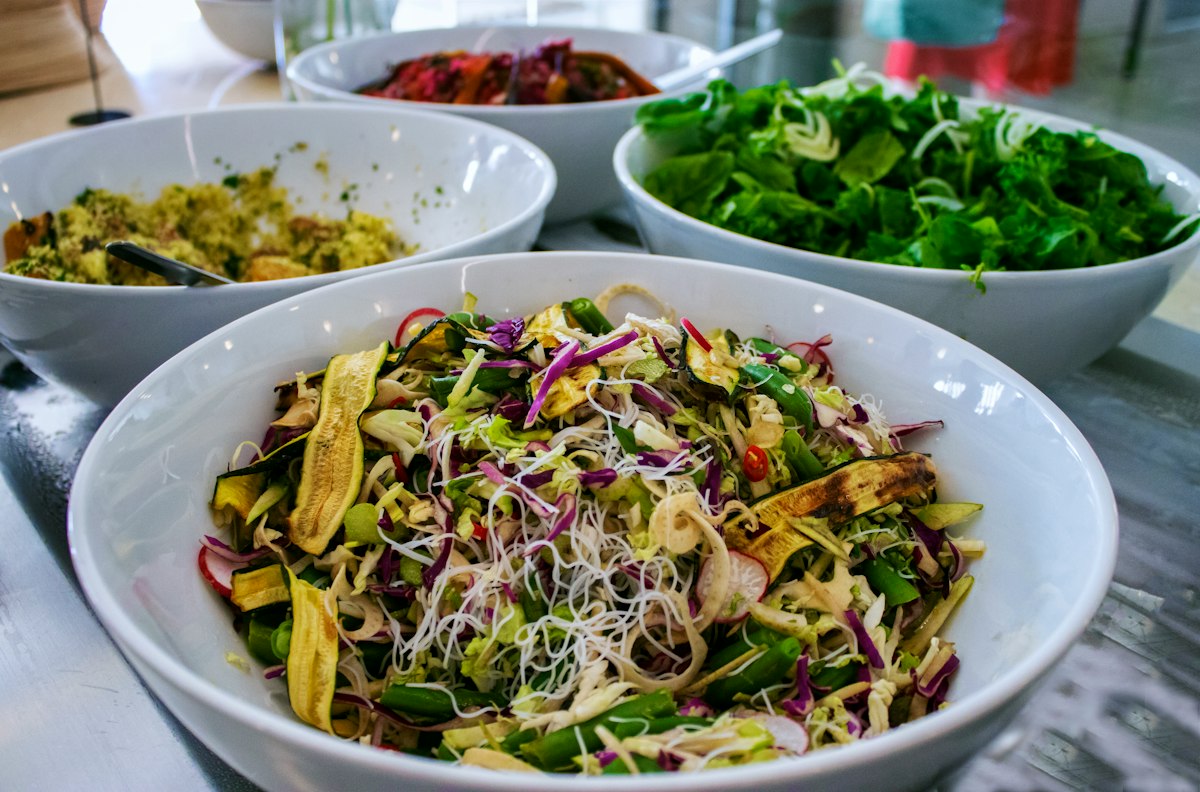
Simple Low-Fat Recipes for Every Day
Practical, flavourful recipes built around ingredients our guides recommend — designed for real weeknight cooking, not aspirational cuisine that requires hours in the kitchen.
Browse recipes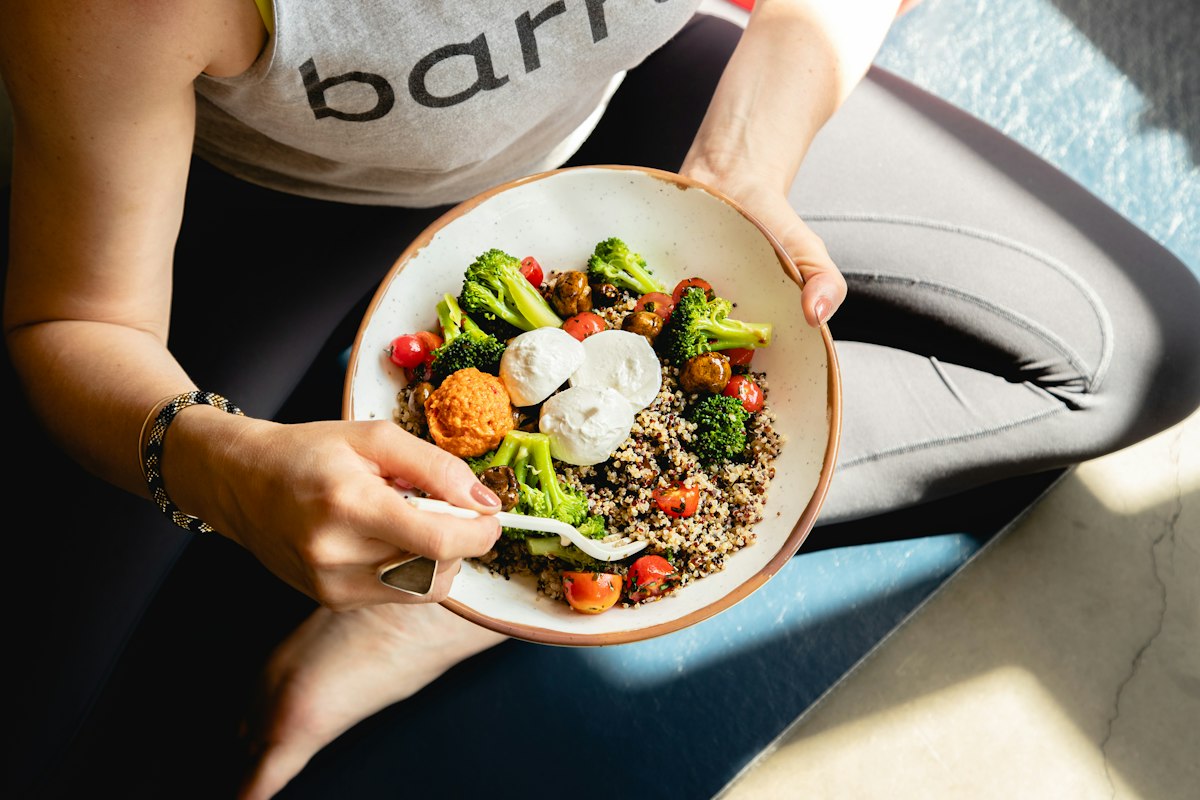
Core Principles of Low-Fat Eating
Before diving into specific foods and recipes, understanding the foundational ideas behind low-fat nutrition will help you make sense of every other guide on this site — and every food label you read.
Learn the principlesStart Eating Smarter — Explore Our Free Guides Today
Whether you're just beginning to think about low-fat eating or looking to deepen your understanding, Healthyweightfoodsguide has the editorial content to support your journey. No fees, no products — just well-researched, honest information freely available to all readers.
Frequently Asked Questions
Get clear answers to the questions we hear most often about low-fat eating and healthy weight management.